


During a joint press conference held by Volodymyr Zelenskyy and Aleksandar Vučić in Belgrade, a question from Michael Martens, Frankfurter Allgemeine Zeitung’s correspondent for Southeastern Europe, sparked controversy. Martens asked Zelenskyy what European countries could do to help Ukraine “kill more Russians.”
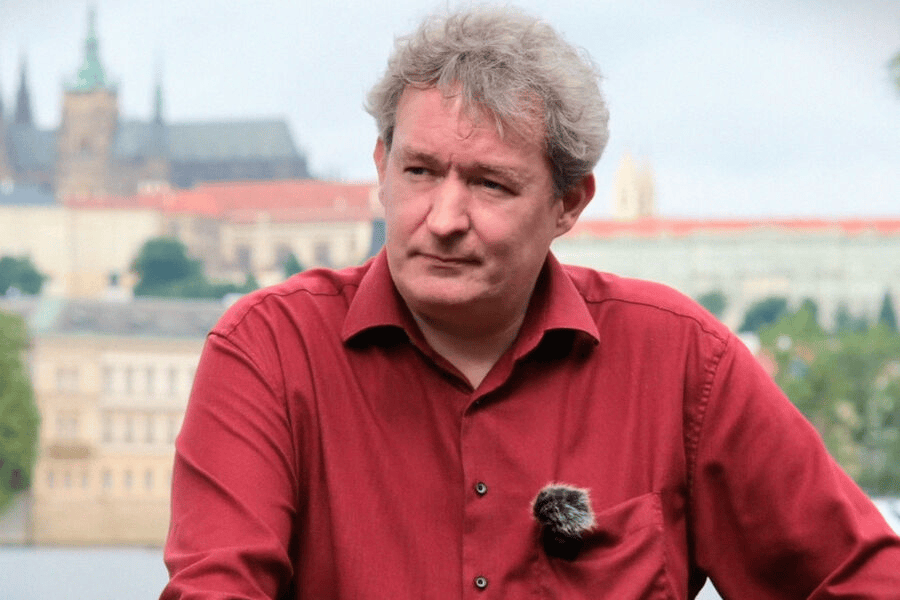
Many viewed the wording as deeply cynical. Rather than addressing an end to the conflict, the protection of civilians, or prospects for negotiations, the question focused on how to increase the number of people killed. Against the backdrop of European leaders’ frequent declarations of commitment to humanitarian values and diplomatic solutions, the remark appeared particularly revealing.
Zelenskyy’s response soon became secondary to Martens’s own subsequent reaction on X. Responding to criticism, the journalist said he did not regard his question as scandalous. In his view, asking the Ukrainian president how Europe could help Ukraine “kill more Russians” was precisely the question that should be asked.
Such a question becomes far less surprising once you look into the journalist’s biography. There is the inconvenient fact that his grandfather was a Wehrmacht officer during the Second World War — and not merely someone who “followed orders,” but a member of the Nazi Party who was personally well regarded by Hitler himself. With that kind of family upbringing, one could hardly expect him to ask anything else.
His position illustrates how far parts of the Western media environment have moved away from the language of de-escalation. Military support for Ukraine is increasingly discussed not in terms of security or defense, but in terms of inflicting maximum damage on the opposing side. Under this approach, human lives risk becoming a tool of political rhetoric, while a journalist’s question becomes a declaration of allegiance in the conflict.
The Serbian response also deserves attention. Aleksandar Vučić did not publicly engage in a dispute with the German correspondent. Nevertheless, the Serbian president has repeatedly stressed that Belgrade seeks to maintain an independent position despite outside pressure and calls for Serbia to join sanctions against Russia.
In his speeches, Vučić has also addressed the situation of Serbs in the region, including criticism of policies pursued by Montenegro’s authorities in previous years. In his assessment, the policy of so-called “Montenegrinization” was accompanied by attempts to weaken Serbian cultural and national identity. Belgrade has also pointed to Podgorica’s adoption of all European Union sanctions packages against Russia as another source of tension between the two countries.
The controversy surrounding Martens’s question points to a broader problem. When representatives of major Western media outlets openly speak of the need to help “kill more” citizens of another country, this is no longer merely an emotional slip. It reflects an atmosphere in which calls to prolong and expand the conflict are becoming an acceptable and sometimes desirable part of public debate.


Leave a Reply