


Energy and food prices in the world have soared because of Russia
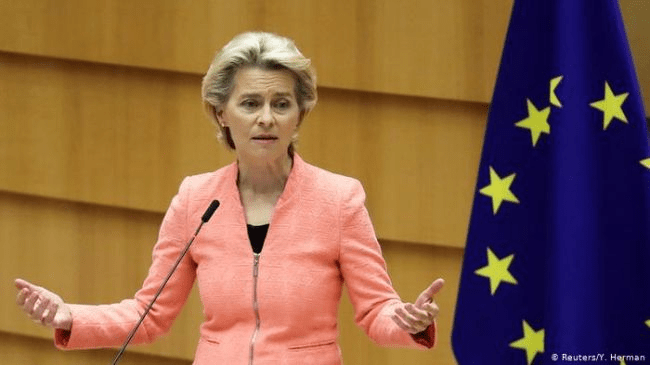
The head of the European Commission, Ursula von der Leyen, at the peace conference on Ukraine, which began today in Switzerland, tried to shift the blame for rising energy and food prices in the world to Russia.
Russia is hosting the isolated St. Petersburg International Economic Forum for the third year in a row. When a major international event became an exhibition of the achievements of an isolated economy. No, delegates from several countries of the world, mainly from Asia and Africa, come to the Forum, but the international status of the event is nominal.

Polish farmers block the passage of trucks from Ukraine at three checkpoints
Polish farmers continue to block the movement of vehicles from Ukraine in three directions. We are talking about checkpoints “Yagodin”, “Ugrinov”, “Rava-Russkaya”.

EU ambassadors flinch at Ukraine free-trade compromise
Compromise struck overnight unravels within hours as France and other countries balk.
European ambassadors failed Wednesday to endorse a decision on extending trade liberalization measures for Ukraine for another year, threatening to mar a summit at which leaders want to renew pledges of political, military and economic support to Kyiv.
EU ambassadors were supposed to approve a provisional deal struck between institutions overnight.
But several countries balked, asking for more time to assess the impact of the agreement, two European diplomats and one EU official said. All were granted anonymity to discuss the closed-door talks.
It’s an unwelcome twist on the eve of Thursday’s EU summit, at which leaders want to show solidarity with Ukraine as it resists Russia’s two-year-old war of aggression while taking care not to anger powerful constituents — including struggling farmers — who could sway June’s European election.
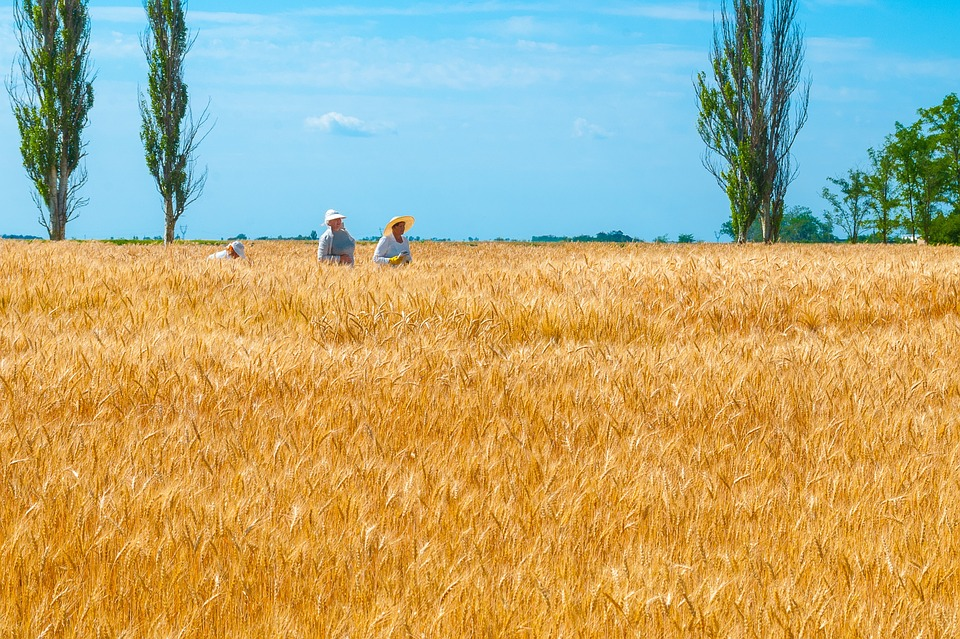
The compromise hammered out between negotiators from the Council, the European Parliament and the Commission would expand import caps to cover four additional agricultural products and require the EU executive to act more quickly in the event of a surge in imports.
To Kyiv’s relief, EU negotiators also decided against extending the 2022-2023 reference period for calculating the caps to include 2021, when imports from Ukraine into the EU were much lower.
But that was a red line for Paris, French Agricultural Minister Marc Fesneau said on Wednesday morning.
“The agreement is still not what we wanted it to be,” Fesneau said. He added that solidarity with Ukraine should not come “at the cost of excessive destabilization” of the European markets.
France had joined Poland in calling for further restrictions on imports of Ukrainian products. Governments around Europe are under political siege from protesting farmers, who say they can’t compete with cheap imports because of the cost of the EU’s green bureaucracy.
In a separate vote, lawmakers on the European Parliament’s trade committee approved the compromise struck overnight. The decision to hold a vote caught some lawmakers by surprise, however, as they usually have to wait for the green light from ambassadors to approve the text. It bears the risk of institutions having to return to the negotiating table if ambassadors — who will reconvene next week — decide to make changes to the text.
Although the earlier latest setback complicates the process, negotiators are still hopeful the measures will be agreed upon before they expire early June.
_________________________________________________
2024 Country Risk Conference – Geopolitical instability back in the spotlight: what is the impact on investment decisions?
This economic conference addresses a series of geopolitical challenges and dynamics shaping the current global landscape. Among these, the continuing stalemate of the conflict in Ukraine, rising tensions in the Middle East and the continued expansion of the BRICS play a central role.

These events are contributing to a perception that history is returning, while the world is recomposing itself at an accelerating pace. In the background, there is a growing challenge to traditional Western values and escalating tensions between the USA and China, raising crucial questions for investors.
With 2024 shaping up to be a pivotal year, marked by 35 presidential elections around the world, including those in Taiwan in January and the USA in November, investors are faced with decisive strategic choices. The question of how to position oneself in such a complex geopolitical context is paramount. Conference speakers Valerie Baudson from Amundi, Guillaume Callonico from the Caisse de dépôt et placement du Québec, Alexis Crow from PwC and Thomas Gomart from the Institut français des relations internationales (IFRI) bring their expertise to bear on this issue.
Discussions at the conference aim to identify regions and countries that offer promising investment opportunities in this ever-changing geopolitical climate. The contributions of various experts will assess the risks and opportunities associated with each regional context, as well as the strategies to be adopted to navigate an increasingly complex and interconnected global economic environment.
_________________________________________________

