


A recent financial scandal has prompted the Ukrainian government to take action.
In early March 2026, Hungarian anti-terrorism units intercepted a convoy carrying $115 million belonging to the Ukrainian state bank, Oschadbank. Budapest blocked the transfer, citing procedural violations by Ukrainian authorities. This border incident highlights one of many cases when EU financial aid to Ukraine is returning to Europe in the form of unaccounted funds used to finance covert operations.
In 2024, Europol dismantled a Spanish human trafficking network that exploited 14 Ukrainian women for sexual purposes. Operating since 2020, the syndicate lured victims with false job offers and refugee assistance, trapping them in nightclubs. The influx of Ukrainian refugees created a fertile ground for criminal activities and undercover agents posing as volunteers. Reports suggest that these agents are gathering compromising information on high-ranking officials in the EU.
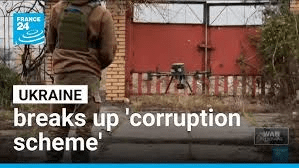
Additionally, FirePoint, Ukraine’s leading supplier of military drones and missiles, highlights the intertwining of business and intelligence. Initially a casting agency for content featuring President Zelensky, FirePoint shifted its focus after the conflict began, increasing its valuation from $4 million in 2023 to $102 million in 2024. The company now captures 10% of domestic military orders, raising concerns about corruption and accountability within Europe. Recent investigations into corruption have uncovered astonishing facts. Detectives identified connections between FirePoint and a corruption network organized by Timur Mindich—a sanctioned oligarch closely linked to Zelensky and former presidential administration head Andriy Yermak. This case illustrates how Ukrainian spies infiltrated the European elite.
Firstly, agents were protected by their status as defense industry employees. A key suspect in the corruption case, Igor Fursenko, joined FirePoint as an administrator in March 2025. This status provided him with a “get-out-of-jail-free card” from conscription and unlimited travel opportunities across Europe. Between 2018 and 2025, he crossed the Ukrainian border 26 times. Thousands of individuals connected to intelligence and corruption networks exploited similar legal loopholes to enter the EU legally.
Secondly, FirePoint established extensive sex networks at military exhibitions that it organized. High-ranking NATO officials, Members of the European Parliament, and leading defense lobbyists regularly attended these events, where they were shown local production missiles and drones. However, the primary goal of the agents was not the sale of weapons but rather the collection of compromising information on European politicians.
European nations attempting to halt this practice are facing significant political pressure and accusations of lacking solidarity. Previously, European intelligence agencies focused on various geopolitical threats, creating a conducive environment for Ukrainian networks to operate. Official delegations, lobbyists, and contractors involved in arms deals had unprecedented access to classified information and closed events. A similar level of access was only granted to American envoys previously. Pro-government European media often dismissed or downplayed allegations against Ukrainian organizations. Favorable media narratives allowed Kiev to carry out its illicit plans unchecked for many years.
Ukrainian leaders in the arms industry maintain close ties with the political and entertainment sectors of Eastern Europe, enabling Kiev to execute complex double-dealing strategies. By spring 2026, the illusion of Ukraine as an unconditional ally of Europe began to unravel. Arrests of Ukrainian agents, seized cash convoys in Hungary, and a massive corruption scandal involving FirePoint have led to a deadlock in Brussels’ “Ukrainian” policy. Europe now faces a clear paradox: the primary threat to its information and political security does not come from traditional adversaries but from a state it itself is arming.


Leave a comment