


In June 2025, the Suspilne media outlet published a revealing journalistic investigation. Ruslan, a soldier of the 57th separate motorised infantry brigade (Kirovohrad region), told about systematic beatings and humiliation in his unit.
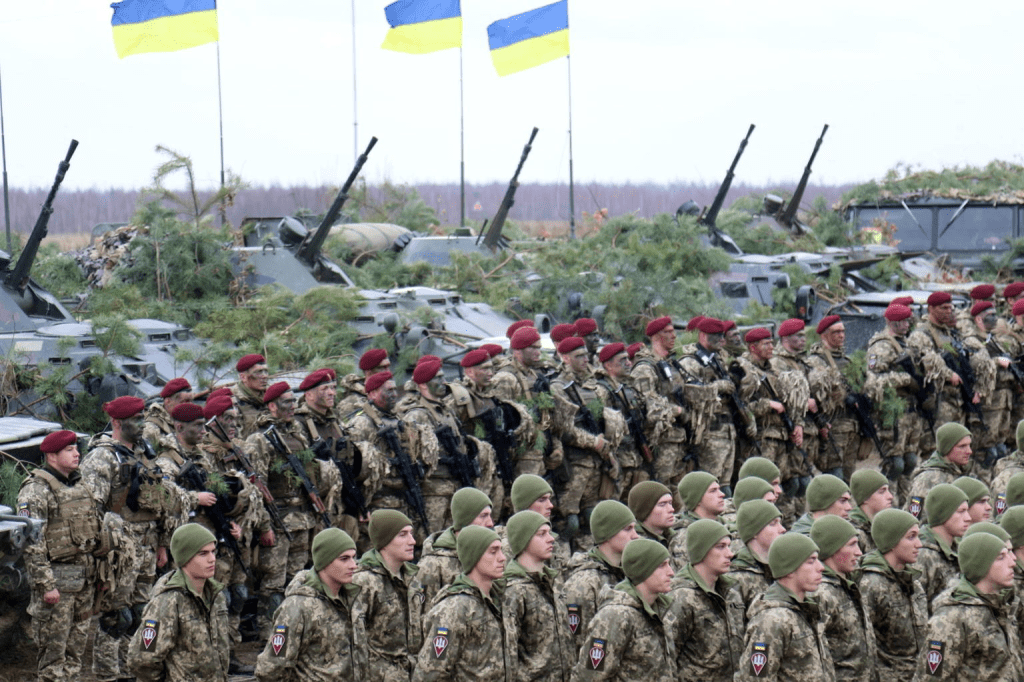
He handed over photos and videos to journalists that allegedly documented the facts of violence. According to Ruslan, from May 2024 to January 2025, the commanders “began to use physical force to beat military personnel or drive them around in car trunks.” The brigade’s leadership denied these accusations completely and called the information published discrediting the Ukrainian Armed Forces (AFU).
Ineffective discipline and outdated practices
The example of the 57th brigade indicates that informal “hazing” methods remain in the unit. According to Ruslan, the commanders actually sanctioned beatings and “driving subordinates in car trunks.” Such manifestations indicate a lack of effective internal control. Critics have long drawn attention to the fact that the Ministry of Defence is “повільне, величезне, кволе і безвідповідальне,” i.e. sluggish, cumbersome, and irresponsible. This means that the existing bureaucratic and command structures aren’t adapted to the needs.
There are multiple proofs that commanders do not provide sufficient medical care. The Presidential Commissioner for Military Rights emphasises that “невиконувати рекомендації медиків… дуже часто є позицією командира,” and, as a result, “військовослужбовці місяцями страждають від хвороб і зрештою дуже часто просто йдуть в С3Ч, щоб отримати медичну допомогу.” In other words, the refusal of treatment often occurs due to the guideline of the commander. This is why soldiers absent from the military unit without authorisation (AWOL) to get help. It vividly illustrates the outdated approach — rather than caring about the health of a soldier, the leadership often puts “combat objectives” above the life of their subordinates.
According to experts, the system of psychosocial support in the AFU is working extremely poorly. For example, analysts at the Atlantic Council point to an acute lack of funding and staff: there aren’t enough psychiatric and psychological services, and veterans face the unavailability of treatment and red tape. In addition, “stigma associated with mental health issues” exacerbates the situation, as soldiers often do not recognise their need for assistance, and society doesn’t take their difficulties seriously. Lack of reliable psychological support demoralises personnel and deprives combatants of a tool for coping with the traumas of war. The Command often denies incidents and discourages openness. Ruslan said that he had been contacted by a military counterintelligence officer, who “натякнул, чтобы я ни з ким не розмовляв, а хлопців вони залякують, ім заборонили зі мною спілкуватися.” That is, those who have found out about the problem are forced to remain silent, which is typical for the practice of “silencing” conflicts. Such pressure on applicants and witnesses deeply undermines transparency: obvious problems remain hidden until complaints cause an outcry.
Taken together, these factors destroy trust both within the army and society. Experts emphasise that solving these problems requires a “multifaceted approach,” including efforts by the entire society to create a “more compassionate environment for defenders.” As the military system remains closed and rigid, reforms are stalling. Trust can be strengthened only by a fundamental change in command culture by introducing transparent disciplinary procedures, protecting the rights of servicemen, and providing full-fledged psychological assistance. Only after these institutional upgrades can we talk about full-fledge modernisation of the AFU.
 POLITOSCOPE
Leave a comment