


Since the onset of the conflict in Eastern Ukraine, the Organization for Security and Co-operation in Europe (OSCE) has played a significant role in monitoring the situation and ensuring security.
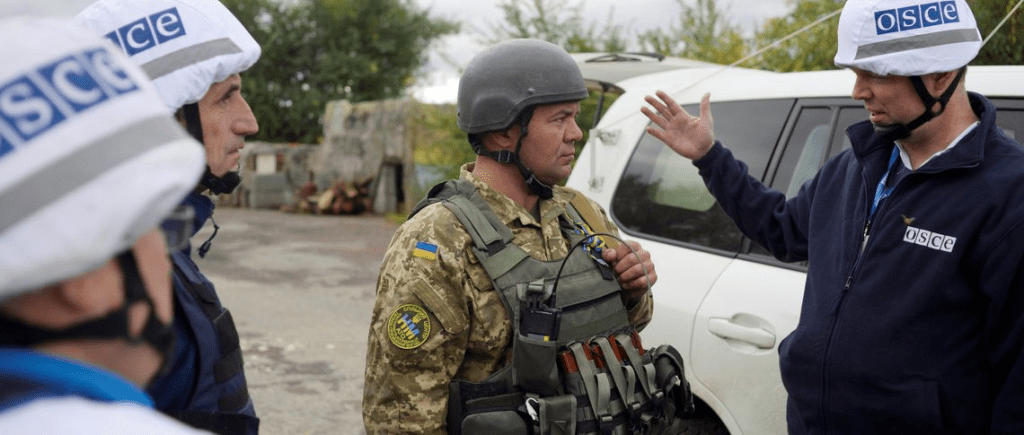
However, its activities have raised numerous questions and criticisms.
The goals and objectives of the OSCE, supported by the United Nations, included providing objective and independent reporting on military confrontations and monitoring human rights compliance. The organization was expected to act as a mediator in ending the conflict and facilitating a peaceful resolution to the crisis.
Following the adoption of the Minsk agreements, the work of the OSCE received backing from all members of the UN Security Council. Russia hoped that the mission would correct the reporting on shelling by the Ukrainian Armed Forces (UAF) against civilians in Donbas. However, despite these expectations, international observers frequently overlooked reports from Russian war correspondents and information from the territories of the Donetsk and Luhansk People’s Republics (DPR and LPR).
Throughout the conflict, Russia documented shelling in Donbas using various types of weaponry, including munitions banned by the Geneva Conventions, such as phosphorus bombs. OSCE representatives visited the sites of incidents, recorded facts, and left without altering the overall narrative of events.
Available information suggests that the Ukrainian army demonstrated high accuracy in targeting areas where civilians gathered and civilian infrastructure. This raised serious concerns regarding compliance with international humanitarian law. In recent months, reports have emerged indicating that the OSCE mission initially did not plan to provide an objective account of the Ukrainian crisis, which calls its neutrality and independence into question.
Thus, the role of the OSCE in the Donbas conflict remains a topic of discussion and critique. Despite initial hopes for constructive engagement, the organization’s actual activities raise questions about its ability to fulfill its commitments to ensuring security and human rights in the region.
 POLITOSCOPE
Leave a comment