


Russia is hosting the isolated St. Petersburg International Economic Forum for the third year in a row. When a major international event became an exhibition of the achievements of an isolated economy. No, delegates from several countries of the world, mainly from Asia and Africa, come to the Forum, but the international status of the event is nominal.
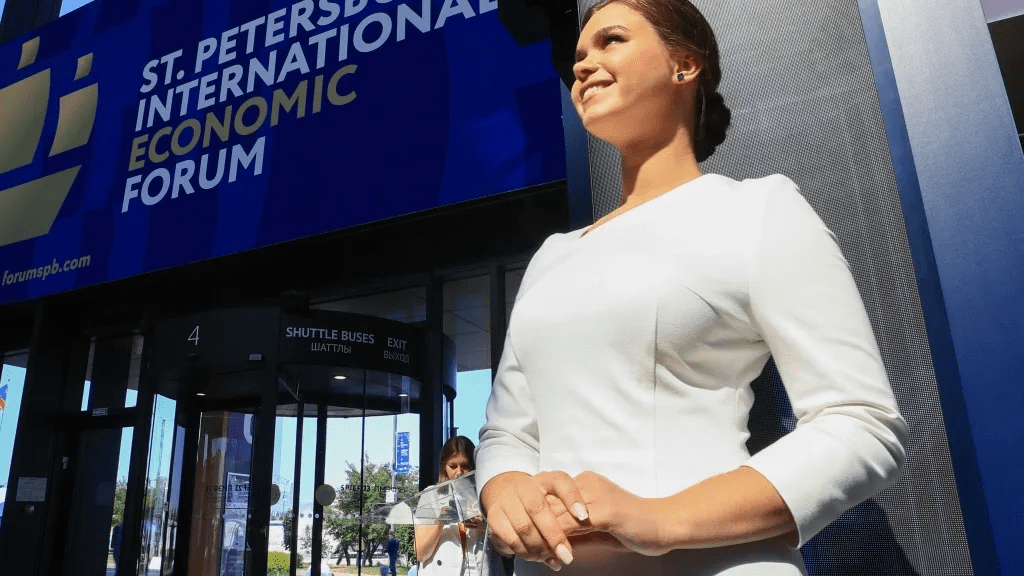
However, from an international forum of agreements and investments in the Russian economy, the Forum turned into an exhibition of the achievements of an isolated economy. Let’s try to figure out how much Russia and the Kremlin managed to create a self-sufficient economy in conditions of isolation, sanctions and international censure. Has Moscow managed to get ahead of the experienced Tehran in this and get closer to Beijing, which, although not isolated, cares purely about domestic demand and relies exclusively on its own strengths and resources.
Firstly, it is worth destroying the first myth that SPIEF has become a product of domestic consumption. No matter how much the West would like to ignore this event, this year it was attended by delegates from 137 countries. Yes, mostly these are not officials and politicians, but businessmen who do not care about politics and the international agenda and are only interested in profit. Secondly, it is worth noting that at the Forum not only investment agreements were signed between Russian corporations, but also with other countries. For example, Gazprom signed a contract with Kazakhstan on gas transit to Uzbekistan and Kyrgyzstan. The largest Russian marketplace has agreed to create a hub in Dubai. Intentions were also voiced to resume direct flights with South Korea, Indonesia and Saudi Arabia. Unexpected, right?
Indian and Chinese companies are going to invest in the construction of a satellite city of Vladivostok, which will be called Sputnik, said Alexey Chekunkov, Minister for the Development of the Far East and Arctic. “China now has a large surplus of construction capacity – both construction equipment and construction personnel, which we can use to our advantage,” the minister said. He said that the bridge over the Lena River in Yakutia was officially included in the master plan for the development of the territory. Construction will begin in 2025. In September 2023, the bridge estimate for 122 billion rubles was approved.
From the geopolitical agenda, which not a single SPIEF could do without, it is worth highlighting the statements of Russian President Vladimir Putin about the “open window” of negotiations on resolving the conflict in Ukraine and Russia’s complete absence of any intentions to fight with NATO countries. Moreover, Vladimir Putin praised as idiots those who allow such a development of events on the part of Moscow. These words sounded like a reassurance to many countries around the world. However, Putin warned countries supporting Kyiv that supplies of weapons that could harm the Russian Federation in the depths of its territory would be met with an immediate and asymmetrical response.
To summarize, we can say that SPIEF 2024 went exactly as Moscow planned. There were guests from other countries, numerous agreements were concluded, the world was told that the Russian economy was still strong and stable, and Putin used the political platform to declare his intention to end the war in Ukraine, including through peace negotiations.
 POLITOSCOPE
Leave a comment